
Have you ever noticed athletes with strange circular marks on their backs? They often look like perfectly formed circular bruises. Yes? Then the chances are that you are already aware of cupping therapy, albeit in a visual sense. Those circular marks are actually a sign of this complementary therapy at work. Cupping therapy releases tension in the muscles, which is why they are so readily used in sports treatment.

But what exactly is cupping therapy? Why has it gained popularity in recent years? Is it just a new 'trend'? More importantly, if cupping therapy releases tension in the muscles, can it contribute to overall wellness?
In this blog, we’ll explore the origins, science, and benefits of cupping therapy. Additionally, I will highlight 5 ways cupping therapy releases tension in the muscles. I hope, by the end, you’ll have a clear understanding of why this time-tested therapy is so effective for muscle recovery, relaxation, and more.
A Brief History of Cupping Therapy
Believe it or not, cupping therapy isn’t new. In fact, it’s one of the oldest healing methods in the world. Its roots can be traced back over 3,000 years. Evidence shows that Ancient Egyptians, Chinese, and Middle Eastern cultures all practised versions of cupping therapy.
- Egypt: The oldest recorded medical text, the Ebers Papyrus (dating back to 1550 BC), describes using cupping to treat ailments.
- China: Traditional Chinese Medicine (TCM) has used cupping for thousands of years to balance the flow of “Qi” (life force energy) and improve circulation.
- Middle East: In Islamic medicine, “Hijama” (wet cupping) is still practised today, focusing on removing stagnation and toxins from the body.
It is fascinating to note that each of these ancient societies, despite cultural differences, all shares the same idea. They recognise that cupping therapy releases tension in the muscles. Indeed, they all understand that suction helps release blockages, increases blood flow, and restores balance in the body.
How Cupping Therapy Works
Basically, cupping involves placing special cups, made of glass, plastic, or bamboo, onto the skin to create suction. I use plastic suction cups in my clinic. This suction gently pulls the skin upward, creating space between the skin, muscles, and connective tissue. This is how cupping releases tension in the body.
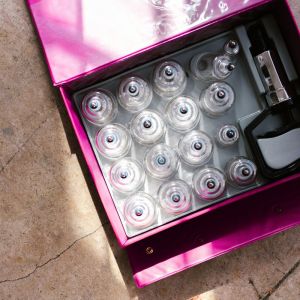
There are generally two different types of cupping:
- Dry Cupping: The most common, involving suction without bloodletting. The therapy that I offer.
- Wet Cupping: Less common in the West, it involves making small incisions before suction. (Please note this is NOT a therapy I offer).
The pulling action caused by the cups increases blood circulation, helps loosen tight muscles, and promotes healing at a deeper level. Perhaps try thinking about it as a reverse massage. Instead of pressing down into the muscles, cupping therapy releases tension by gently lifting tissues up, creating more space and freedom in the body.
Evidence from various studies, including 'The effectiveness of cupping therapy on low back pain', demonstrates that both methods are equally effective as the other.
5 Great Ways Cupping Therapy Releases Tension in the Muscles

So, now you know a little more about this fascinating treatment, let’s get to the heart of it. If your goal is to melt away stress and stiffness, here’s how cupping therapy releases tension and why so many people love it.
1. Improves Blood Circulation
Tense muscles are often starved of oxygen and nutrients. This is because the circulation is restricted. Cupping brings fresh blood to the targeted area, delivering oxygen and removing waste products. Ultimately, this helps the muscle relax naturally.
2. Loosens Tight Fascia and Connective Tissue
Our bodies are wrapped in fascia. This is a thin layer of connective tissue that can become sticky and restrictive. When fascia is tight, it can limit movement and cause pain. Cupping gently lifts and separates these layers, which promotes blood flow and lymphatic mobility, restoring flexibility.
3. Reduces Muscle Knots and Trigger Points
Cupping therapy releases tension by working wonders on those pesky knots you can get in your shoulders or back. By increasing blood flow and releasing adhesions, cupping can deactivate trigger points, making muscles softer and less tender.
4. Activates the Nervous System for Deep Relaxation
The gentle suction stimulates sensory nerves under the skin. This triggers a parasympathetic response. The suction tells your body to relax, slows down your heart rate and calms your mind. Whilst cupping therapy releases tension, many people also find cupping deeply soothing, almost meditative.
5. Supports Detoxification
When blood flow is stagnant, toxins and metabolic waste can build up in the tissues. Cupping stimulates lymphatic drainage and encourages the removal of waste, leaving your muscles refreshed and energised.
A 2023 article in Frontiers, entitled 'Efficacy of cupping therapy on pain outcomes: an evidence-mapping study', concludes the following: 'Cupping therapy is effective in managing chronic pain, knee osteoarthritis, low back pain, neck pain, chronic back pain, and herpes zoster.' (Please follow the link to read it in full.)
Bonus Benefits: Beyond Muscle Tension
So, we know, cupping therapy releases tension in your muscles. That's why most people first try cupping for sore or tight muscles. However, the benefits go far beyond that. Here are a few extra reasons to consider it:
- Improves skin health – because it increases circulation, it can reduce cellulite or puffiness.
- Boosts immune system – by supporting lymphatic flow and reducing inflammation.
- Relieves headaches and migraines – especially tension headaches caused by stiff neck muscles, you know the ones, after a full day bending over your desk.
Who Can Benefit from Cupping Therapy?
Almost anyone can enjoy the relaxing effects of cupping. It’s especially beneficial for:

- Athletes and fitness enthusiasts who want quicker recovery.
- Office workers dealing with “tech neck” and back tension.
- People under high stress who hold tension in their shoulders.
- Those with chronic pain conditions like fibromyalgia.
However, cupping isn’t recommended for everyone. Pregnant women, people with certain skin conditions, bleeding disorders, epilepsy, or those who take blood thinners are advised not to use cupping therapy. It is always essential to consult a professional before trying it.
What to Expect in a Cupping Session
If you’ve never had cupping before, I'm sure you may be a bit anxious about what happens.
Here’s a quick breakdown:
- Consultation: First and foremost, your therapist will ask about your health and goals. This is to ensure you are suitable for this form of treatment. If you are not, do not be too disheartened. Often, holistic therapists, like myself, can offer alternatives.
- Cup Placement: Cups are placed on targeted areas, such as the back, shoulders, or legs.
- Suction: You’ll feel a gentle pulling sensation, which may feel strange at first, but it is not painful.
- Relaxation: Cups stay in place for between 5 and 20 minutes. This is when cupping therapy releases tension in your muscles. Many of my clients find the experience surprisingly relaxing, like a weight being lifted from them.
- Aftercare: You may have round marks on your skin following your treatment. These are perfectly normal and usually fade within a week.
Pros and Cons of Cupping Therapy
As is the case for many therapies, cupping has both its advantages and disadvantages. Your consultant should discuss these with you in full before treatment begins. They are:
Pros:
- Natural, drug-free pain relief, so you are less reliant on painkillers.
- Cupping therapy releases tension deep in your muscles without aggressive pressure.
- Enhances recovery and overall well-being.
- It is a time-tested holistic approach.
Cons:
- Temporary marks on the skin (which some people dislike).
- As outlined earlier, it is not suitable for certain health conditions.
- Results may vary depending on the individual.
Why People Keep Coming Back to Cupping
What's the biggest reason cupping has stood the test of time? It works. Cupping therapy releases tension in the muscles. So, whether it’s for easing back pain, melting away stress, or simply improving circulation, many clients find it a powerful tool for restoring balance in both their body and their mind.
For athletes, it’s about faster recovery. For office workers, it’s about undoing hours of sitting. For wellness seekers, it’s about reconnecting with their body.
Finally, and perhaps most importantly, it’s about experiencing relief in a way that feels natural and restorative.
Is Cupping Therapy Right for You?
If you’ve been dealing with muscle stiffness, stress, or recurring aches, it might be time to try something different. Cupping therapy offers a unique, gentle, and time-tested approach to healing.
By improving circulation, releasing fascia, reducing muscle knots, calming the nervous system, and supporting detoxification, cupping therapy releases tension in the muscles in ways that few other treatments can match.
At Holistic Therapies by Camille, I specialise in tailoring each session to your needs. It doesn't matter whether you’re looking for relief from back pain, faster recovery from workouts, or simply a moment of relaxation. I work with you as an individual.
Why not give it a try and experience for yourself how cupping therapy releases tension in your muscles? Discover how light, relaxed, and tension-free your body can feel.